Biology
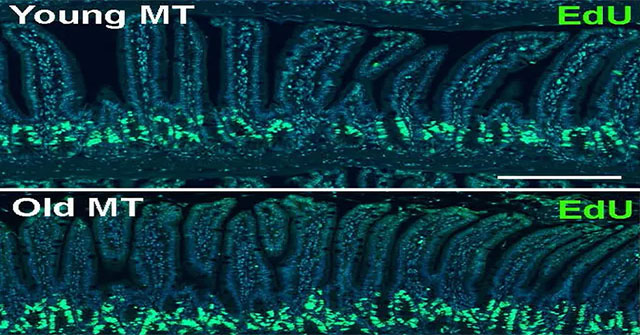
Bacteria in the gut can change the aging process
An international team of researchers led by Nanyang Technological University, Singapore (NTU Singapore) has found that the microorganisms living in the gut can change th…
Browse ScienceInfo articles and explainers related to Intestinal Bacteria.
34 published items.
An international team of researchers led by Nanyang Technological University, Singapore (NTU Singapore) has found that the microorganisms living in the gut can change th…
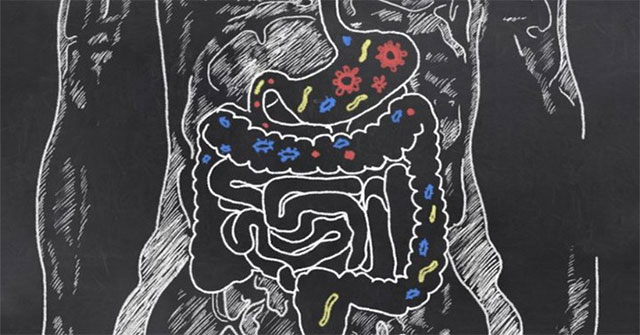
It turns out that bacteria in the gut have a special connection with our emotions.
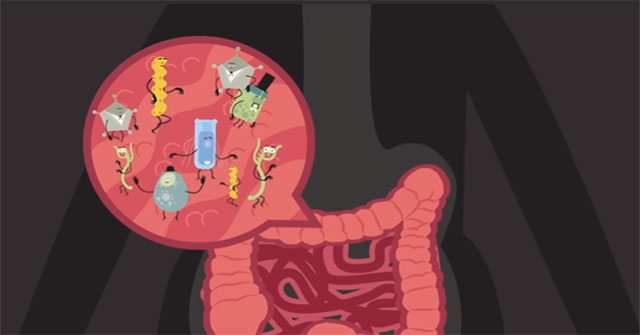
There are trillions of bacteria, viruses, and mold that live on and inside the body, so maintaining a good relationship with this group of organisms is very beneficial f…

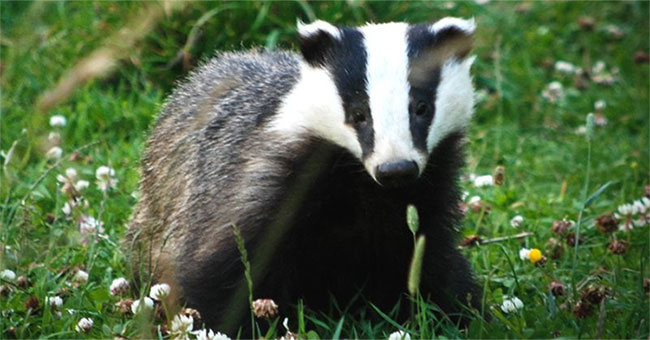
To prevent tuberculosis in cattle and sheep in the UK, veterinarians have also tried to vaccinate with BCG. However, many times they found that vaccination effectiveness…
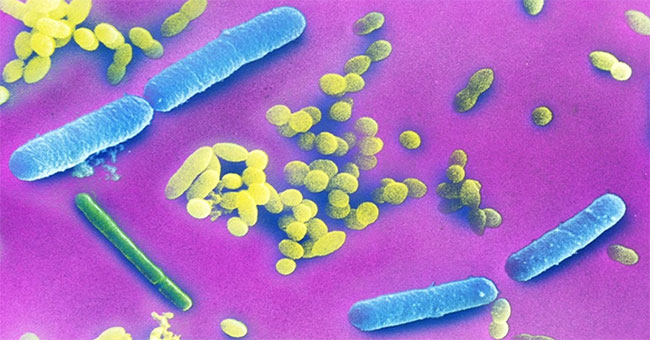
According to Livescience, for many people, weight loss can be achieved through diet but others face many difficulties in this regard.

Your gut is a home for billions of harmful bacteria and gums. One of the quite benign bacteria living in the intestine is Klebsiella pneumoniae.
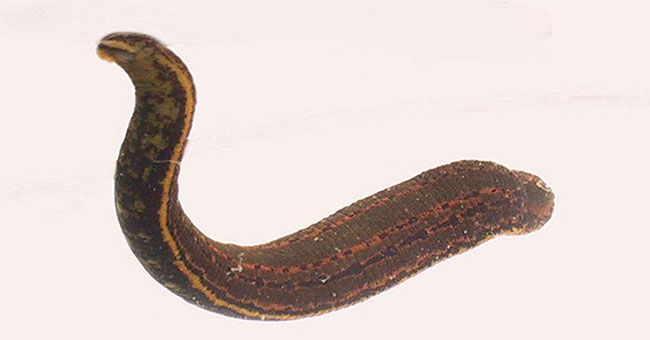
According to researchers' reports on mBio, a bacterium found in leech intestines that only needs to contact 0.01 micrograms / ml of ciprofloxacin antibiotics will become…

According to Futurism, humans are not the only animals with many bacteria active in the intestinal tract.

Probiotics are living bacteria that have been shown to be good for health because they help improve the balance of the intestinal bacteria.
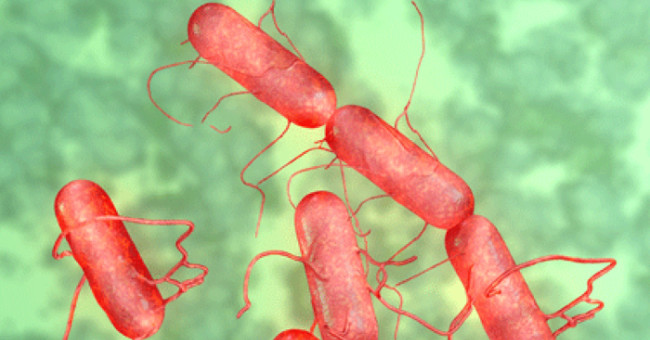
Enterobacteria of Salmonella may be a new tool against brain cancer.

Some recent research has found the cause of the bacteria causing pandemics
Animal studies found that intestinal bacteria can be used to treat obesity and type 2 diabetes.
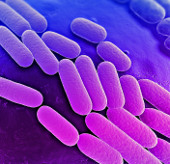
In a recent study, the US Centers for Disease Control and Prevention (CDC) warned of a strain of bacteria.

For the first time in the history of science, American biochemists have learned how to utilize intestinal bacteria to produce energy.